
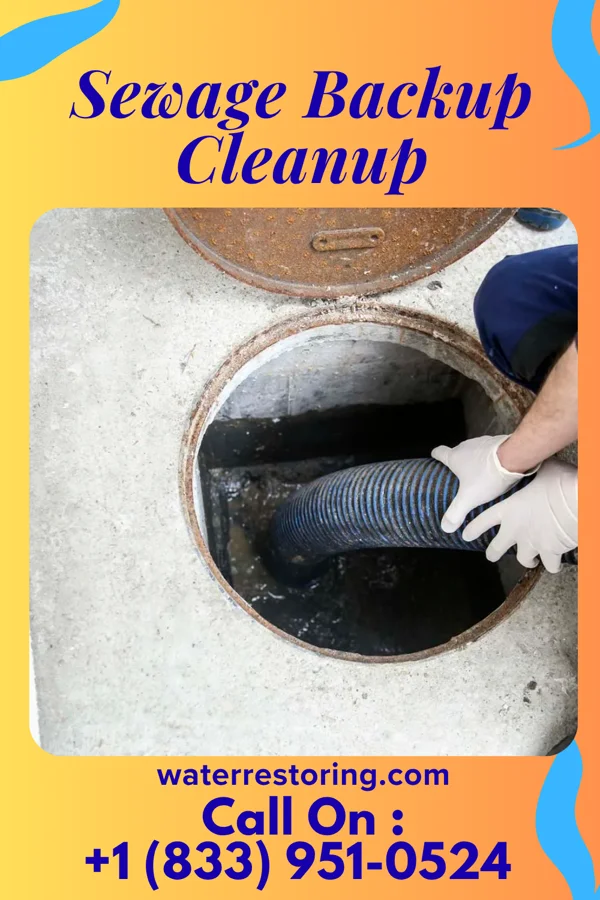
Sewage Backups & West Yellowstone Health Standards
Most water damage emergencies in West Yellowstone start with spring snowmelt infiltrating aging sewer lines through cracks and root intrusion. From the second water touches the property, every minute changes what gets saved and what gets ripped out.
West Yellowstone's high elevation and heavy spring snowmelt create significant pressure on the aging sewer system. The combination of freezing temperatures and thawing ground can cause pipes to crack, leading to sewage backups in residential areas. This risk is heightened in neighborhoods near Hebgen Lake Estates and Island Park due to the region's unique topography.
West Yellowstone's high elevation and heavy spring snowmelt create significant pressure on the aging sewer system. The combination of freezing temperatures and thawing ground can cause pipes to crack, leading to sewage backups in residential areas. This risk is heightened in neighborhoods near Hebgen Lake Estates and Island Park due to the region's unique topography. The dominant local driver is spring snowmelt infiltrating aging sewer lines through cracks and root intrusion. Damage builds in stages. Spread. Absorption. Microbial growth. Structural compromise. Every stage you pass through adds to the final bill.