
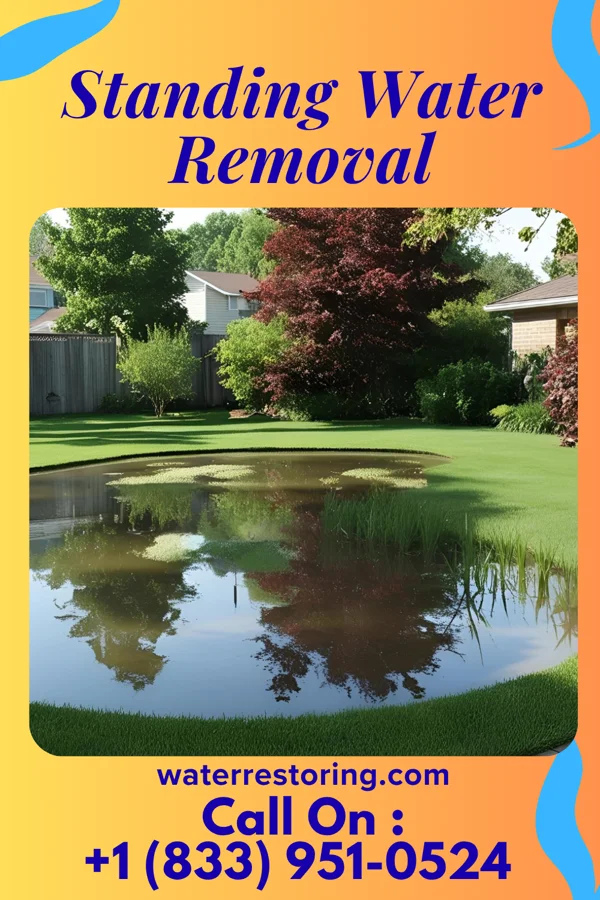
West Yellowstone Standing Water: What Owners Should Know
Residential or commercial, water damage emergencies in West Yellowstone keep coming back to the same drivers. In West Yellowstone, Montana, water damage is often caused by burst pipes, heavy rainfall, and snowmelt runoff, especially during the spring thaw. Due to the area's mountainous terrain and proximity to Hebgen Lake, flash floods and sudden water surges can also lead to significant water intrusion in homes and businesses. sits at the top of the list. A close second is Secondary causes include leaking roofs, faulty plumbing systems, and improper drainage around properties. In the summer months, high humidity and frequent thunderstorms can contribute to moisture buildup, increasing the risk of water damage..
West Yellowstone's high elevation and cold climate create unique challenges, such as frozen pipes during winter and rapid thawing in spring. The region's proximity to Hebgen Lake also means that sudden water level changes can impact nearby properties.
Water damage in West Yellowstone follows a few local patterns. In West Yellowstone, Montana, water damage is often caused by burst pipes, heavy rainfall, and snowmelt runoff, especially during the spring thaw. Due to the area's mountainous terrain and proximity to Hebgen Lake, flash floods and sudden water surges can also lead to significant water intrusion in homes and businesses. accounts for the bulk of our calls. West Yellowstone's high elevation and cold climate create unique challenges, such as frozen pipes during winter and rapid thawing in spring. The region's proximity to Hebgen Lake also means that sudden water level changes can impact nearby properties. Mold growth can occur within 24 hours in West Yellowstone due to the region's cool, damp climate and frequent temperature fluctuations. Prompt action is critical to prevent long-term structural and health issues.